

Highly Digestible, Non-GMO
Pea Protein Is Naturally Gluten-Free
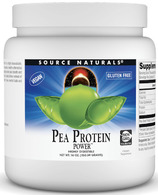
Pea Protein Power™ is a natural vegetable protein made from garden peas (Pisum sativum). It is a highly bioavailable, easily digestible, concentrated protein source, perfect for vegans and vegetarians or anyone who wants a healthy alternative to other protein products. Easy to use it is great to blend into smoothies, and this natural legume protein also boosts and completes the protein content of other dishes. Try adding it to soups or stews or sprinkling it on pasta dishes instead of parmesan cheese. You may also add it to rice, oatmeal or other grains, or any vegetable dishes. It has a neutral taste and good solubility.
Directions: 2 rounded tablespoons (about 18 g) 1 to 3 times a day. Blend to taste with your beverage of choice, or add to any food to increase its protein content.
Ingredients: 2 Rounded Tablespoons (approx. 18 g) supplies:
Servings per Container: 25
Calories 70
Total Fat 1 g
Total Carbohydrate 1 g
Protein 12 g
Sodium 180 mg
Pea Seed Protein Concentrate 18 g
Allergies: Suitable for vegans and vegetarians. Contains no yeast, dairy, egg, gluten, corn, soy or wheat. Contains no sugar, starch, preservatives, or artificial color, flavor or fragrance.
Warning: If you are pregnant, may become pregnant, breastfeeding, or have a history of kidney or liver problems or gout, consult your health care professional before using this product. Do not use if either tamper-evident seal is broken or missing. Keep out of the reach of children. Store in a cool, dry place.
The information provided is for educational purposes only and is not intended to replace professional medical advice. Always consult with a qualified healthcare provider for personalized medical guidance.
 This content was generated by AI. Please use your own judgment and consult the manufacturer for more accurate information.
Pea Protein Power Powder Ingredients:
- Yellow Pea Protein Isolate
- Natural Vanilla Flavor
- Xylitol Powder
- Organic Stevia Leaf Extract
- Free-Form L-Glutamine
- Organic Turmeric Root Extract
- Organic Ginger Root Powder
- Organic Cinnamon Bark Powder
- Black Pepper Extract
- Organic Quinoa Powder
- Organic Blueberry Powder
- Organic Inulin Powder
- Organic Flax Seed Powder
- Organic Chia Seed Powder
- Organic Apple Fruit Powder
- Organic Broccoli Powder
- Organic Carrot Root Powder
- Organic Kale Leaf Powder
- Organic Spinach Leaf Powder
- Organic Strawberry Fruit Powder
- Organic Beet Root Powder
- Organic Tomato Fruit Powder
- Organic Parsley Leaf Powder
- Organic Red Cabbage Powder
- Organic Brussels Sprout Powder
- Organic Green Bell Pepper Powder
- Organic Cucumber Powder
- Organic Celery Stalk Powder
- Organic Garlic Bulb Powder
- Organic Ginger Root Powder
- Organic Green Onion Powder
- Organic Cauliflower Powder
- Organic Asparagus Powder
The information provided is for educational purposes only and is not intended to replace professional medical advice. Always consult with a qualified healthcare provider for personalized medical guidance.
This content was generated by AI. Please use your own judgment and consult the manufacturer for more accurate information.
Health Benefits of Pea Protein Powder
Pea protein powder is a popular plant-based protein supplement that offers a range of health benefits:
- Rich in Protein: Pea protein powder is a high-quality source of protein, making it an excellent choice for vegetarians, vegans, and individuals with dairy or soy allergies.
- Supports Muscle Growth: The amino acids in pea protein powder help support muscle growth and repair, making it a great post-workout supplement.
- Easy to Digest: Pea protein is easily digestible and may be less likely to cause digestive issues compared to other protein sources.
- Heart Health: Pea protein powder is cholesterol-free and low in saturated fat, making it a heart-healthy protein option.
- Weight Management: Pea protein can help you feel full and satisfied, which may aid in weight management and weight loss goals.
- Rich in Iron: Pea protein powder is a good source of iron, which is important for energy production and overall health.
- Supports Blood Sugar Control: Pea protein has a low glycemic index, meaning it does not cause spikes in blood sugar levels, making it a good option for individuals with diabetes or those looking to manage their blood sugar levels.
These are just a few of the many health benefits of incorporating pea protein powder into your diet.
The information provided is for educational purposes only and is not intended to replace professional medical advice. Always consult with a qualified healthcare provider for personalized medical guidance.
This content was generated by AI. Please use your own judgment and consult the manufacturer for more accurate information.
How to Use Pea Protein Powder for Maximum Benefits
Pea protein powder is a popular plant-based protein source that is rich in essential amino acids and suitable for vegans and individuals with allergies to other types of protein. To maximize the benefits of pea protein powder, here are some tips on how to use it effectively:
- Post-Workout Shake: Mix 1-2 scoops of pea protein powder with water or your favorite plant-based milk after a workout to support muscle recovery and growth.
- Smoothies: Add pea protein powder to your favorite smoothie recipes for a protein boost. It blends well with fruits, vegetables, and other protein sources like nut butter or chia seeds.
- Baking: Incorporate pea protein powder into your baked goods such as muffins, pancakes, or energy bars to increase the protein content of your snacks.
- Oatmeal or Yogurt: Stir pea protein powder into your morning oatmeal or yogurt for a quick and easy breakfast option that will keep you full and satisfied.
- Protein Energy Balls: Combine pea protein powder with nut butter, oats, and honey to make protein-packed energy balls for a convenient and nutritious snack.
It's important to note that while pea protein powder is a great source of protein, it may not contain all essential amino acids in optimal amounts. Therefore, it's recommended to vary your protein sources throughout the day to ensure you are meeting all your amino acid needs.
Always follow the recommended serving size provided by the manufacturer of the pea protein powder you are using to avoid consuming too much protein in one sitting.
Sources: Healthline - Pea Protein Powder
The information provided is for educational purposes only and is not intended to replace professional medical advice. Always consult with a qualified healthcare provider for personalized medical guidance.
This content was generated by AI. Please use your own judgment and consult the manufacturer for more accurate information.
Comparison of Pea Protein Powder with Similar Products
Pea Protein Powder is a popular plant-based protein supplement that is often compared to other protein powders on the market. Let's compare Pea Protein Powder with some similar products:
1. Whey Protein Powder
Whey protein is a complete protein source derived from milk. It is quickly absorbed by the body, making it a popular choice for athletes and bodybuilders. However, some people may be sensitive to dairy or lactose intolerant, making pea protein a suitable alternative.
2. Soy Protein Powder
Soy protein is another plant-based protein source that is rich in essential amino acids. However, some people prefer pea protein over soy due to concerns about soy allergies or hormonal effects of soy isoflavones.
3. Rice Protein Powder
Rice protein is another plant-based protein option that is hypoallergenic and easily digestible. Pea protein, on the other hand, has a higher protein content per serving and a better amino acid profile compared to rice protein.
4. Hemp Protein Powder
Hemp protein is derived from hemp seeds and is a good source of omega-3 fatty acids and fiber. Pea protein, however, has a higher protein content and is considered a complete protein source, containing all essential amino acids.
5. Plant-Based Blends
There are also plant-based protein blends available that combine pea protein with other sources like brown rice, quinoa, or chia seeds. These blends offer a more balanced amino acid profile and may provide additional nutritional benefits.
Ultimately, the choice between pea protein powder and other similar products depends on individual dietary preferences, nutritional needs, and any specific allergies or sensitivities. It's recommended to consult with a healthcare provider or a nutritionist to determine the best protein powder for your individual needs.
The information provided is for educational purposes only and is not intended to replace professional medical advice. Always consult with a qualified healthcare provider for personalized medical guidance.
This content was generated by AI. Please use your own judgment and consult the manufacturer for more accurate information.
Alternative to Pea Protein Powder
One popular alternative to Pea Protein Powder is Soy Protein Powder. Soy protein is a plant-based protein derived from soybeans and is considered a complete protein, meaning it contains all nine essential amino acids that the body cannot produce on its own.
Benefits of Soy Protein Powder:
- Rich in essential amino acids
- May help lower cholesterol levels
- May reduce the risk of heart disease
- Contains antioxidants that can help reduce inflammation
Source:
You can find high-quality Soy Protein Powder from reputable sources such as Bulk Powders, a well-known brand that offers a variety of nutritional supplements including soy protein powder.
The information provided is for educational purposes only and is not intended to replace professional medical advice. Always consult with a qualified healthcare provider for personalized medical guidance.