

The information provided is for educational purposes only and is not intended to replace professional medical advice. Always consult with a qualified healthcare provider for personalized medical guidance.
 This content was generated by AI. Please use your own judgment and consult the manufacturer for more accurate information.
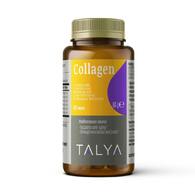
Ingredients in Collagen
- Collagen Peptides
- Protein
- Amino Acids (such as glycine, proline, hydroxyproline)
- Vitamin C
- Minerals (such as copper and zinc)
- Other Nutrients (varies depending on the specific product)
The information provided is for educational purposes only and is not intended to replace professional medical advice. Always consult with a qualified healthcare provider for personalized medical guidance.
This content was generated by AI. Please use your own judgment and consult the manufacturer for more accurate information.
Health Benefits of Collagen
- Improves Skin Health: Collagen helps in improving skin elasticity, hydration, and firmness, reducing wrinkles and fine lines.
- Supports Joint Health: Collagen provides structure to joints and helps reduce joint pain and stiffness.
- Strengthens Hair and Nails: Collagen can strengthen hair and nails, promoting growth and reducing brittleness.
- Aids in Muscle Mass: Collagen is essential for maintaining and building muscle mass, aiding in muscle recovery after exercise.
- Supports Gut Health: Collagen can help repair and maintain the intestinal lining, improving gut health and digestion.
- May Improve Bone Health: Collagen contributes to bone strength and density, reducing the risk of fractures and osteoporosis.
These health benefits of collagen are supported by various studies and research conducted by reputable sources in the health and nutrition industry.
The information provided is for educational purposes only and is not intended to replace professional medical advice. Always consult with a qualified healthcare provider for personalized medical guidance.
This content was generated by AI. Please use your own judgment and consult the manufacturer for more accurate information.
How to Use Collagen for Maximum Benefits
Collagen is a protein that plays a crucial role in the health of our skin, joints, and bones. To maximize the benefits of collagen supplementation, it is important to use it in the right way. Here are some tips on how to use collagen effectively:
- Choose a High-Quality Collagen Supplement: When selecting a collagen supplement, opt for a reputable brand that uses high-quality ingredients. Look for products that are hydrolyzed, as this form of collagen is more easily absorbed by the body.
- Follow Recommended Dosage: It is important to follow the recommended dosage provided by the manufacturer. Taking too much collagen may not necessarily provide additional benefits and could potentially be harmful.
- Take Collagen on an Empty Stomach: For optimal absorption, it is recommended to take collagen supplements on an empty stomach. This allows the collagen to be absorbed more efficiently into the bloodstream.
- Consider the Timing: Some studies suggest that taking collagen before bed may be beneficial, as this is when the body goes into repair mode. However, taking collagen at any time of the day can still be effective.
- Stay Consistent: Consistency is key when it comes to collagen supplementation. It may take several weeks to start noticing the benefits, so it is important to take collagen regularly to see results.
- Pair with Vitamin C: Vitamin C is essential for collagen synthesis in the body. Consider pairing your collagen supplement with a source of vitamin C, such as citrus fruits or supplements, to enhance collagen production.
By following these tips, you can maximize the benefits of collagen supplementation and support the health of your skin, joints, and bones.
The information provided is for educational purposes only and is not intended to replace professional medical advice. Always consult with a qualified healthcare provider for personalized medical guidance.
This content was generated by AI. Please use your own judgment and consult the manufacturer for more accurate information.
Comparison of Collagen with Similar Products
Collagen is a popular supplement known for its benefits for skin, joints, and overall health. Let's compare collagen with similar products:
Collagen vs. Gelatin:
Collagen and gelatin are derived from the same source, which is animal connective tissue. However, collagen is processed further to make it more bioavailable and easily digestible compared to gelatin. Collagen is often used for specific health benefits, such as improving skin elasticity and joint health, while gelatin is commonly used as a thickening agent in cooking and baking.
Collagen vs. Hyaluronic Acid:
Collagen and hyaluronic acid are both important components of the skin, contributing to its hydration and elasticity. While collagen provides structural support to the skin, hyaluronic acid helps retain moisture. Both supplements can be beneficial for skin health, but they work through different mechanisms.
Collagen vs. Bone Broth:
Collagen supplements are often derived from animal bones and connective tissue, similar to bone broth. However, collagen supplements are more concentrated sources of collagen peptides, making them easier to incorporate into daily routines. Bone broth, on the other hand, provides additional nutrients and minerals due to the simmering process of bones and vegetables.
Collagen vs. Protein Powders:
Collagen is a type of protein, but it differs from traditional protein powders like whey or plant-based proteins. Collagen is rich in specific amino acids like glycine, proline, and hydroxyproline, which are important for skin and joint health. Protein powders, on the other hand, are more commonly used for muscle building and recovery.
It's important to choose the supplement that best aligns with your health goals and dietary preferences. Consult with a healthcare provider or nutritionist before adding any new supplements to your routine.
The information provided is for educational purposes only and is not intended to replace professional medical advice. Always consult with a qualified healthcare provider for personalized medical guidance.
This content was generated by AI. Please use your own judgment and consult the manufacturer for more accurate information.
Alternative to Collagen: Plant-Based Collagen Boosters
If you are looking for a plant-based alternative to collagen supplements, there are several options available that can help boost collagen production in the body:
-
1. Silica Supplements:
Silica is a mineral that is essential for collagen production in the body. Silica supplements can help support healthy skin, hair, and nails.
Source: Healthline - Silica Benefits
-
2. Vitamin C:
Vitamin C is crucial for collagen synthesis. Consuming foods rich in vitamin C or taking vitamin C supplements can help support collagen production.
-
3. Soy Isoflavones:
Soy isoflavones have been shown to stimulate collagen production in the skin. Including soy products in your diet or taking soy isoflavone supplements may help improve skin elasticity.
-
4. Omega-3 Fatty Acids:
Omega-3 fatty acids have anti-inflammatory properties and can help support collagen production in the body. Consuming foods rich in omega-3s or taking fish oil supplements can be beneficial.
The information provided is for educational purposes only and is not intended to replace professional medical advice. Always consult with a qualified healthcare provider for personalized medical guidance.