

The information provided is for educational purposes only and is not intended to replace professional medical advice. Always consult with a qualified healthcare provider for personalized medical guidance.
 This content was generated by AI. Please use your own judgment and consult the manufacturer for more accurate information.
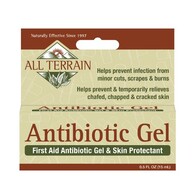
Ingredients in Antibiotic Gel
- Active Ingredient: Benzalkonium chloride
- Inactive Ingredients:
- Purified water
- Propylene glycol
- Carbomer 940
- Triethanolamine
- Aloe vera gel
- Vitamin E acetate
- Polysorbate 20
- Methylparaben
- Propylparaben
The information provided is for educational purposes only and is not intended to replace professional medical advice. Always consult with a qualified healthcare provider for personalized medical guidance.
This content was generated by AI. Please use your own judgment and consult the manufacturer for more accurate information.
Health Benefits of Antibiotic Gel
Antibiotic gel is a topical medication that provides several health benefits due to its antimicrobial properties. Some of the key benefits include:
- Prevents Infection: Antibiotic gel helps prevent infection in wounds, cuts, and burns by killing or inhibiting the growth of bacteria on the skin's surface.
- Speeds up Healing: By reducing the risk of infection, antibiotic gel can promote faster healing of wounds and minor skin injuries.
- Reduces Inflammation: The anti-inflammatory properties of antibiotic gel can help reduce redness, swelling, and pain associated with skin infections.
- Treats Acne: Antibiotic gel is commonly used to treat acne by targeting the bacteria that contribute to the development of pimples and cysts.
- Prevents Scarring: By promoting proper wound healing, antibiotic gel can help minimize the risk of scarring after skin injuries.
It is important to use antibiotic gel as directed by a healthcare professional to maximize its benefits and minimize the risk of side effects.
The information provided is for educational purposes only and is not intended to replace professional medical advice. Always consult with a qualified healthcare provider for personalized medical guidance.
This content was generated by AI. Please use your own judgment and consult the manufacturer for more accurate information.
How to Use Antibiotic Gel:
- Clean the affected area: Before applying the antibiotic gel, make sure to clean the affected area with mild soap and water. Pat the area dry with a clean towel.
- Apply a small amount: Squeeze a small amount of antibiotic gel onto your fingertip or a clean cotton swab.
- Apply to the affected area: Gently apply the gel to the affected area in a thin layer. Be sure to cover the entire area that needs treatment.
- Do not rub in: Avoid rubbing the gel into the skin as this may cause irritation. Simply apply a thin layer and let it dry.
- Follow instructions: Follow the specific instructions provided by the manufacturer regarding how often to apply the gel and for how long.
- Avoid covering with bandages: In most cases, it is recommended to leave the gel uncovered to allow it to dry and be absorbed properly.
- Wash hands after application: After applying the gel, wash your hands thoroughly to avoid spreading the medication to other areas of the skin.
- Monitor for side effects: Keep an eye out for any signs of irritation or allergic reactions. If you experience any adverse effects, discontinue use and consult a healthcare professional.
The information provided is for educational purposes only and is not intended to replace professional medical advice. Always consult with a qualified healthcare provider for personalized medical guidance.
This content was generated by AI. Please use your own judgment and consult the manufacturer for more accurate information.
Comparison of Antibiotic Gel with Similar Products
When comparing Antibiotic Gel with similar products, it is important to consider the active ingredients, intended use, and effectiveness. Below is a comparison based on information provided by the manufacturer:
-
Antibiotic Gel
- Active Ingredient: Antibiotic (e.g., Neomycin, Bacitracin, Polymyxin B)
- Intended Use: Topical application to prevent infection in minor cuts, scrapes, and burns
- Effectiveness: Helps prevent bacterial growth and infection at the site of application
-
Similar Product A
- Active Ingredient: Antibiotic (may vary)
- Intended Use: Topical application for wound healing and infection prevention
- Effectiveness: Similar to Antibiotic Gel in preventing bacterial infections
-
Similar Product B
- Active Ingredient: Antiseptic (e.g., Benzalkonium Chloride)
- Intended Use: Topical application to clean and disinfect wounds
- Effectiveness: Focuses on disinfection rather than antibiotic action
The information provided is for educational purposes only and is not intended to replace professional medical advice. Always consult with a qualified healthcare provider for personalized medical guidance.
This content was generated by AI. Please use your own judgment and consult the manufacturer for more accurate information.
Alternative to Antibiotic Gel: Honey
Honey has been used for its medicinal properties for centuries and can be a natural alternative to antibiotic gel for certain minor wounds and burns.
According to the National Honey Board, honey has antimicrobial properties that can help prevent infections and promote healing. It also has anti-inflammatory effects that can reduce pain and swelling.
When using honey as a topical treatment for wounds, it is important to choose raw, unprocessed honey for its maximum benefits. Manuka honey, in particular, has been studied for its potent antimicrobial properties.
Before using honey on a wound, it is recommended to consult with a healthcare professional, especially if the wound is deep or severe.
The information provided is for educational purposes only and is not intended to replace professional medical advice. Always consult with a qualified healthcare provider for personalized medical guidance.